
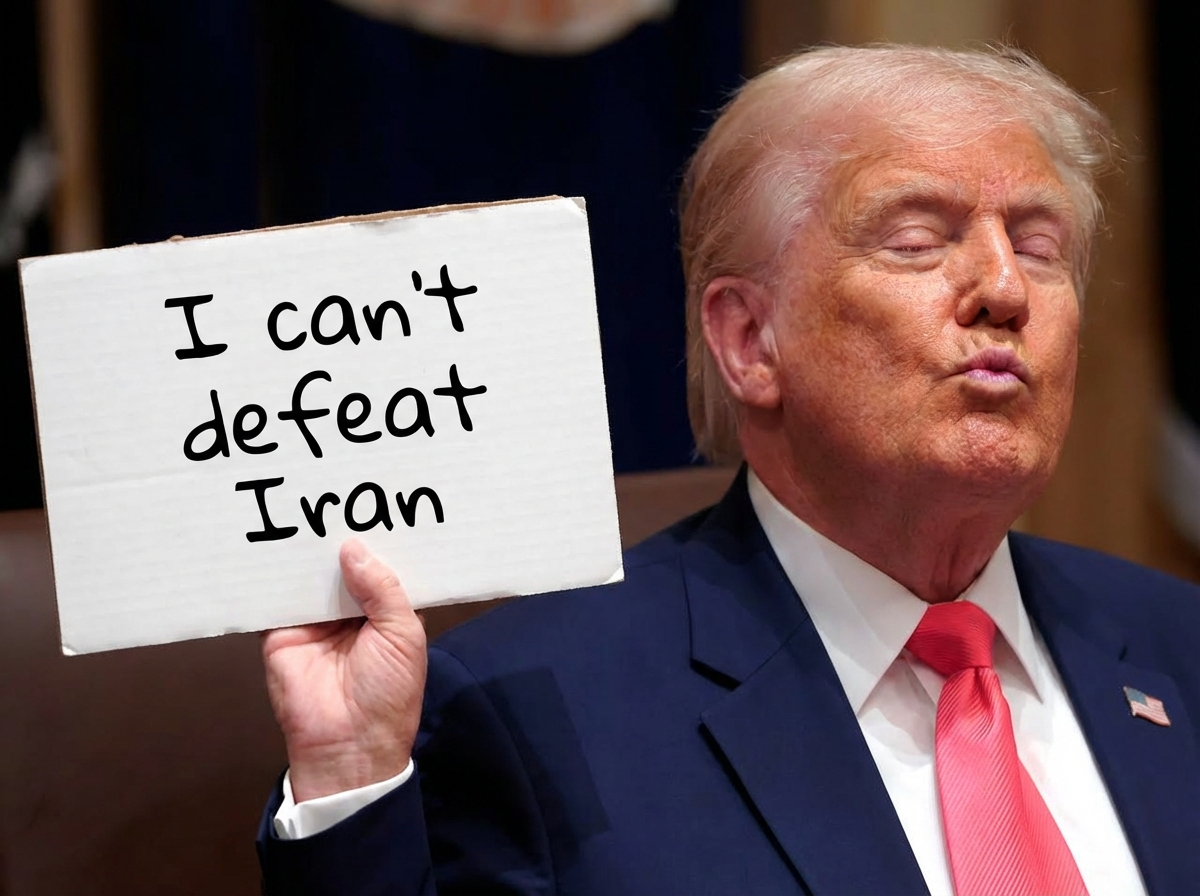
Reports indicate that President Trump is experiencing “growing frustration” with the limitations of military leverage against Iran as of late February 2026. While he has massed a significant military presence in the Middle East, he is reportedly struggling with the lack of a “singular, decisive blow” that could resolve the nuclear standoff without risking a protracted war.
Key details regarding his current stance and options include:
- Seeking “Punishment” Without Full War: Trump is reportedly pressing advisers for a strike substantial enough to serve as a severe punishment and force Tehran into a weaker negotiating position, yet military planners warn that any strike could escalate into a wider, unpredictable regional conflict.
- Military Realities vs. Expectations: Advisers have cautioned that limited strikes are unlikely to be decisive and that Iran’s multifaceted resilience makes a “quick victory” scenario improbable.
- Reported Options Under Consideration:
- Limited Strikes: Targeting military assets or nuclear facilities to pressure concessions.
- Decapitation/Assassination: High-stakes options presented by the Department of Defense include targeting Supreme Leader Ali Khamenei and his potential successor.
- Regime Change: A broader military campaign if limited efforts fail to produce a deal.
- Current Strategy: Trump has publicly rejected reports of internal military dissent and maintains that any potential action would be “easily won”. However, his envoys, Steve Witkoff and Jared Kushner, are reportedly advising him to wait for the results of critical negotiations scheduled for Thursday in Geneva before making a final determination.
- Military Buildup: The U.S. has assembled its largest air and naval force in the region since 2003, including the USS Gerald R. Ford and USS Abraham Lincoln carrier strike groups.